EV Charging Stations vs Home Charging: Pros, Cons, and Real-Life Use Cases
Tech News
EV Charging Stations vs Home Charging is one of the first decisions new electric car owners face. The choice affects cost, daily routines, and how easy it feels to own an electric car.
Many beginners feel unsure because both options sound useful. The real difference shows up in everyday use, costs, and convenience, not just technical details.
What EV Charging Stations and Home Charging Really Mean
EV charging stations are public places where drivers plug in their cars to add power. These are usually found outside the home and shared with other drivers.
Home charging means charging an electric car at a personal residence using household electricity. This setup is private and built around daily routines. Both options play a role in electric vehicle charging, but they serve different needs.
How EV Charging Stations Work in Daily Life
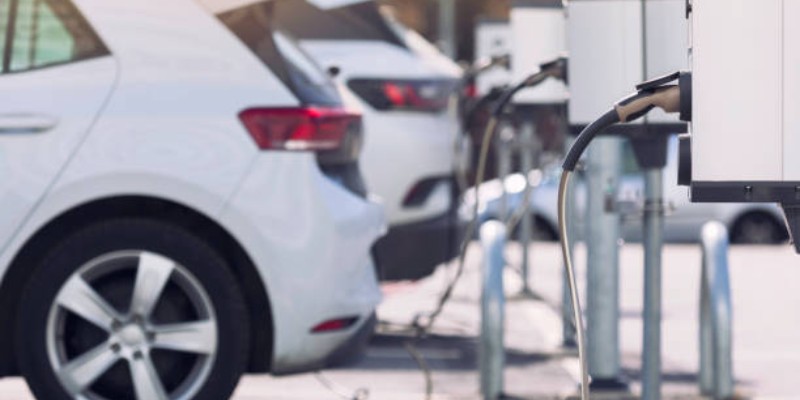
EV charging stations are designed for drivers who are away from home. They are often used during errands, road trips, or busy workdays.
Most EV charging stations require a mobile app, card, or payment account. Drivers arrive, plug in, wait, and leave once enough charge is added. This experience is common for people who depend on public electric vehicle charging.
Types of EV Charging Stations
Public chargers usually fall into two main categories. Level 2 chargers add power at a moderate rate and are common in shopping areas. Fast chargers deliver power quickly and are often placed along highways. EV charging speed depends heavily on which type is used.
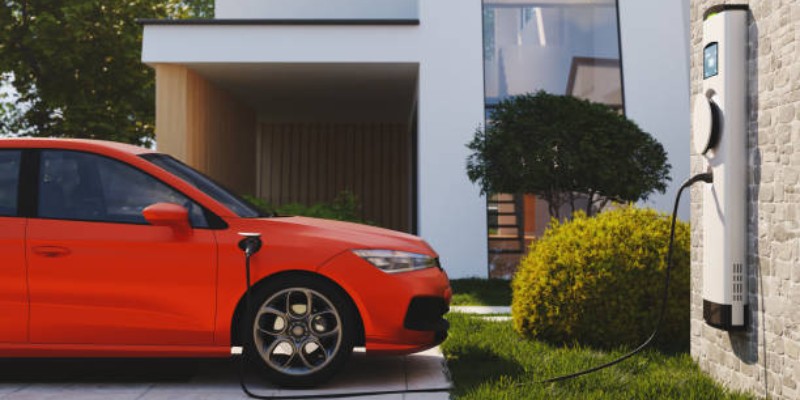
How Home Charging Works for Most EV Owners
Home charging fits into daily life quietly. Drivers usually plug in at night and unplug in the morning. This routine keeps the battery ready without extra trips.
Electric vehicle charging at home uses local electricity rates. Most owners charge during off-peak hours to reduce EV charging costs. For many drivers, this becomes as normal as charging a phone.
Common Home Charging Options
Some people use a standard wall outlet, which charges slowly. Others install a dedicated charging unit that delivers faster power. Home charging setups may also require small electrical upgrades, depending on the house.
Pros of EV Charging Stations
EV charging stations are useful for flexibility. They allow drivers to travel long distances without returning home.
Many EV charging stations offer high EV charging speed, which helps during road trips. There is no installation cost, making them accessible to renters and travelers who cannot rely on home charging.

Cons of EV Charging Stations
Public charging often costs more per session. EV charging costs at stations can change based on location and demand.
Drivers may also face waiting times or broken equipment. Relying only on EV charging stations means depending on public infrastructure instead of personal control.
Pros of Home Charging
Home charging is usually the most convenient option. Cars charge while parked, saving time during the day.
EV charging costs are often lower at home because electricity rates are predictable. Many drivers feel more relaxed knowing electric vehicle charging happens automatically each night.
Cons of Home Charging
Home charging requires upfront spending for equipment and installation. This can be a barrier for some households.
Charging speed is also limited compared to fast EV charging stations. Home charging may not suit people who cannot install equipment or who move often.
Cost Comparison Between EV Charging Stations and Home Charging
EV charging costs vary widely. Public charging is usually priced per session or per unit of electricity.
Home charging depends on local electricity prices, which are often lower. Over time, electric vehicle charging at home usually costs less, especially for daily driving.
Charging Speed Differences That Affect Real Schedules
EV charging speed shapes daily habits. Fast public chargers can add many miles quickly but are used less often.
Home charging is slower but steady. Overnight charging covers most daily needs, making electric vehicle charging feel simple and predictable.
Availability and Accessibility Factors to Consider
EV charging stations are common in cities but less available in rural areas. Crowded locations can limit access.
Home charging depends on housing type. Apartment dwellers may rely more on EV charging stations, while homeowners often prefer home charging for daily use.
Which Option Works Better for Different Types of Drivers
Short-distance commuters benefit most from home charging because daily needs are small.
Drivers who travel long distances rely more on EV charging stations. Most owners combine both methods to balance EV charging speed, access, and cost.
Safety, Maintenance, and Reliability Considerations
Both options are safe when used correctly. EV charging stations are maintained by operators, though reliability can vary.
Home charging places maintenance responsibility on the owner. Reliable electric vehicle charging depends on proper installation and stable power supply. Guidance from organizations like national energy efficiency programs helps set safety standards.
EV Charging Stations vs Home Charging for Long-Term Ownership
Over time, charging habits shape ownership experience. Home charging supports routine and predictability.
EV charging stations remain important for travel and emergencies. Industry planning discussed by global energy research groups shows both systems will continue to grow together.
Making the Right Choice Between EV Charging Stations and Home Charging
EV Charging Stations vs Home Charging is not about picking one forever. Most drivers use both depending on the situation.
Understanding daily driving, housing, and EV charging costs helps set realistic expectations. As electric vehicle charging becomes more common, guidance shared by leading EV manufacturers continues to shape how drivers charge with confidence.
Sources
Share this article:
Recommended For You




Most Viewed
ADVERTISEMENT